
There’s something oddly satisfying about traveling to a place that nobody talks about. No crowd, no noisy tourists, just nature and a bit of adventure. That’s exactly what I found in Baguran Jalpai, a hidden gem on the coast of West Bengal.
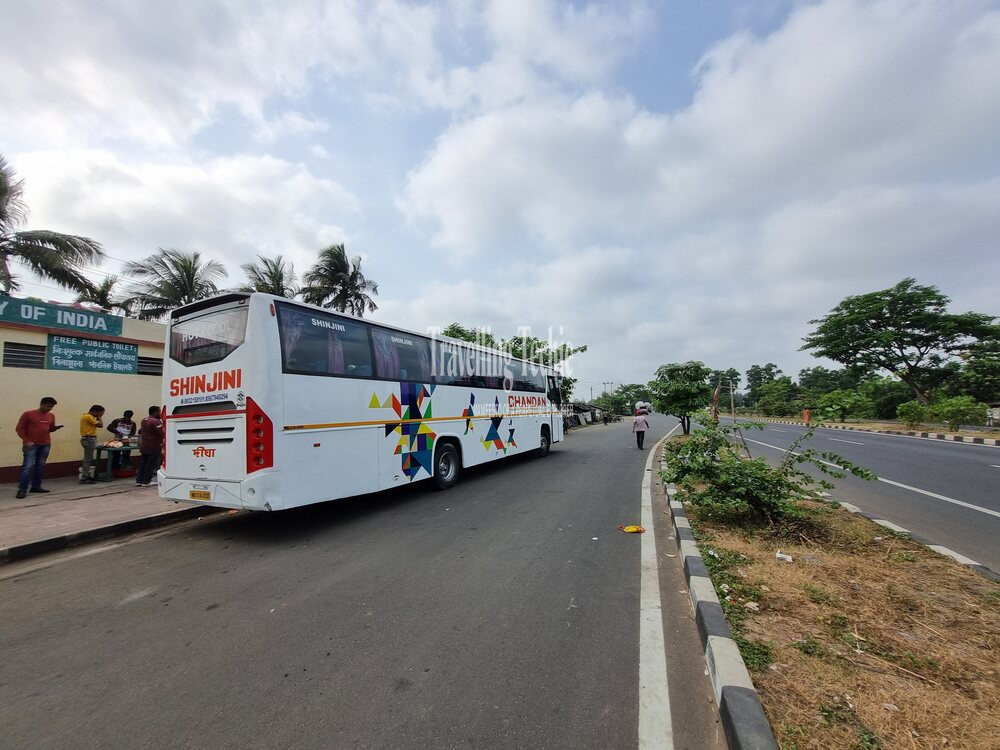
On May 5, 2024, I set off on a solo weekend trip, boarding a bus from Esplanade to Contai (Kanthi) at 6:30 AM. As the bus made its way through the changing landscapes, I dozed off occasionally, listening to my favorite songs and watching the world blur past my window. By 9 AM, I was in Contai, greeted by the typical hustle of a small town bus stop.
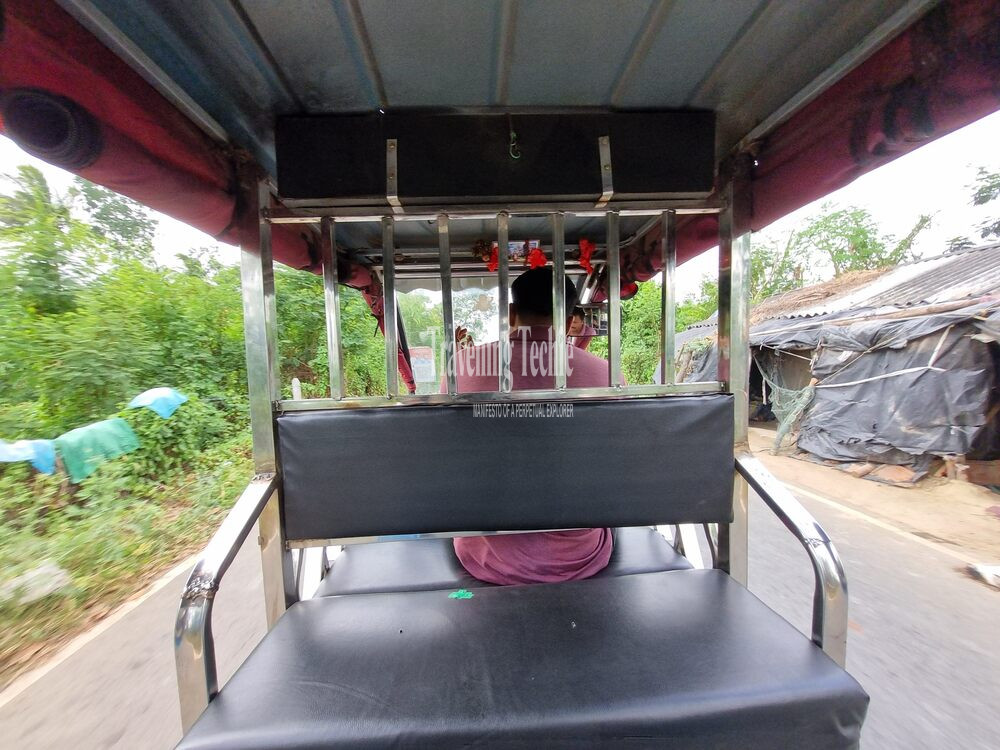
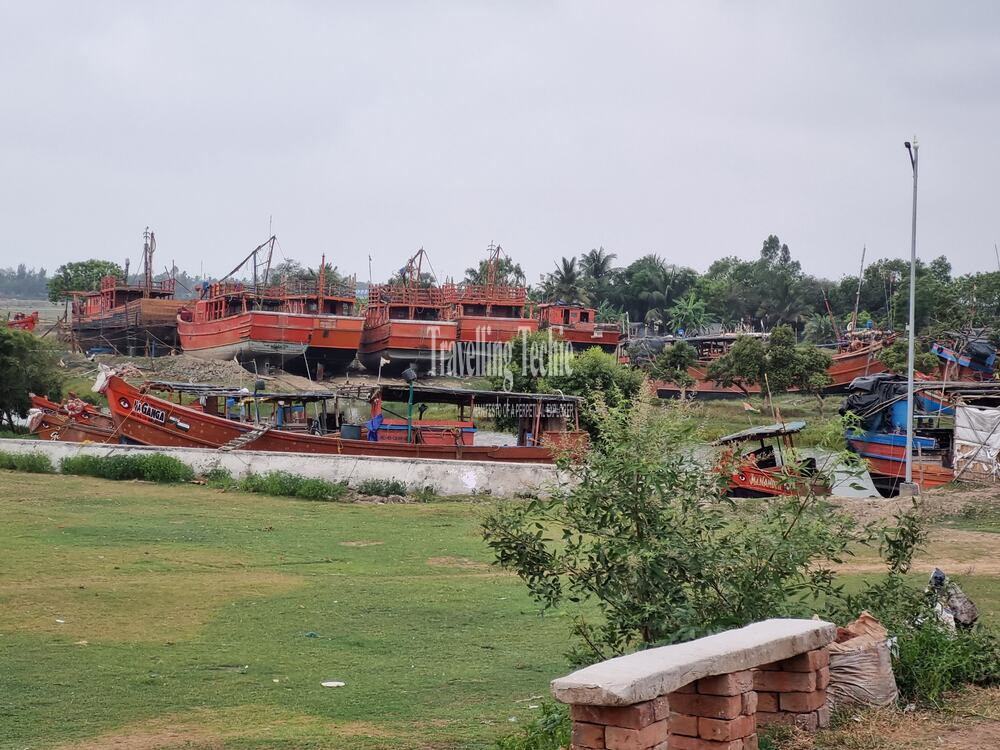
From there, I took a Toto (electric rickshaw) to Baguran Jalpai, a 13-km ride that cost Rs. 300. The ride was nothing short of mesmerizing. The road leading to Baguran was flanked by lush greenery, and I saw villagers working on fisheries, a common sight in this region. The weather was just perfect—breezy, a little cloudy, and inviting.
Baguran Jalpai isn’t your typical beach destination with multiple resorts and shacks. It has only one hotel – Hotel Sagar Niralay—and thanks to the West Bengal Forest Department’s strict eco-preservation rules, there will never be another.
The hotel is about 800 meters from the Cyclone Shelter and sits in a well-maintained compound with a garden and seating areas. I had booked an AC room for Rs. 3000 (including meals), but after a few hours, I realized that the constant sea breeze made air conditioning redundant. I happily switched it off, opened my room’s door, and let nature take care of the cooling.
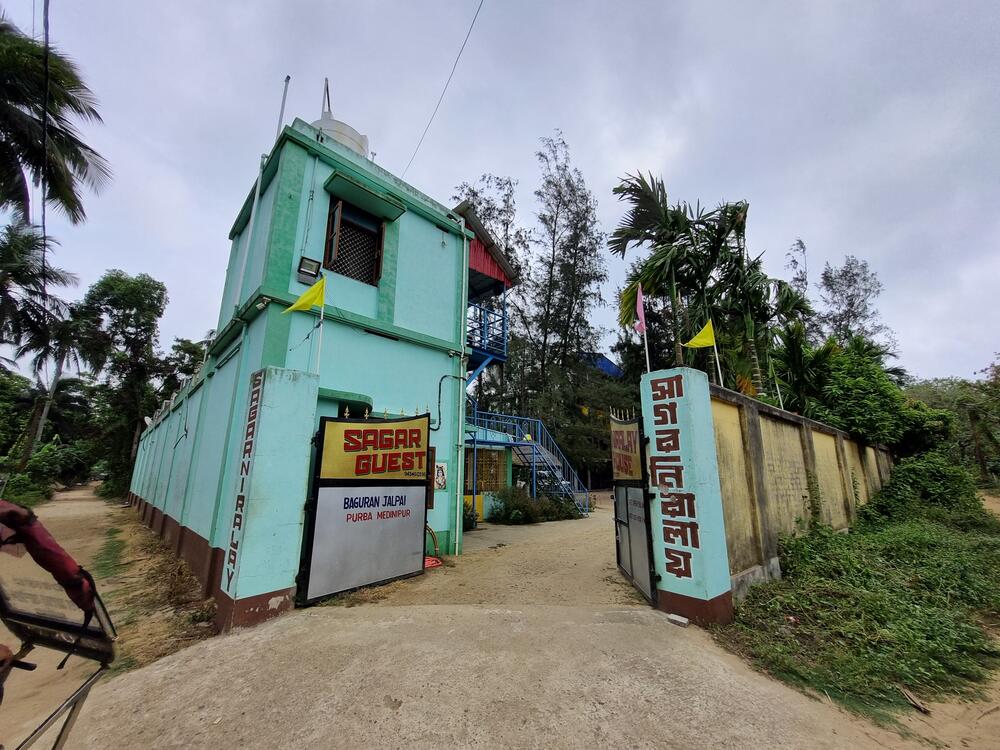
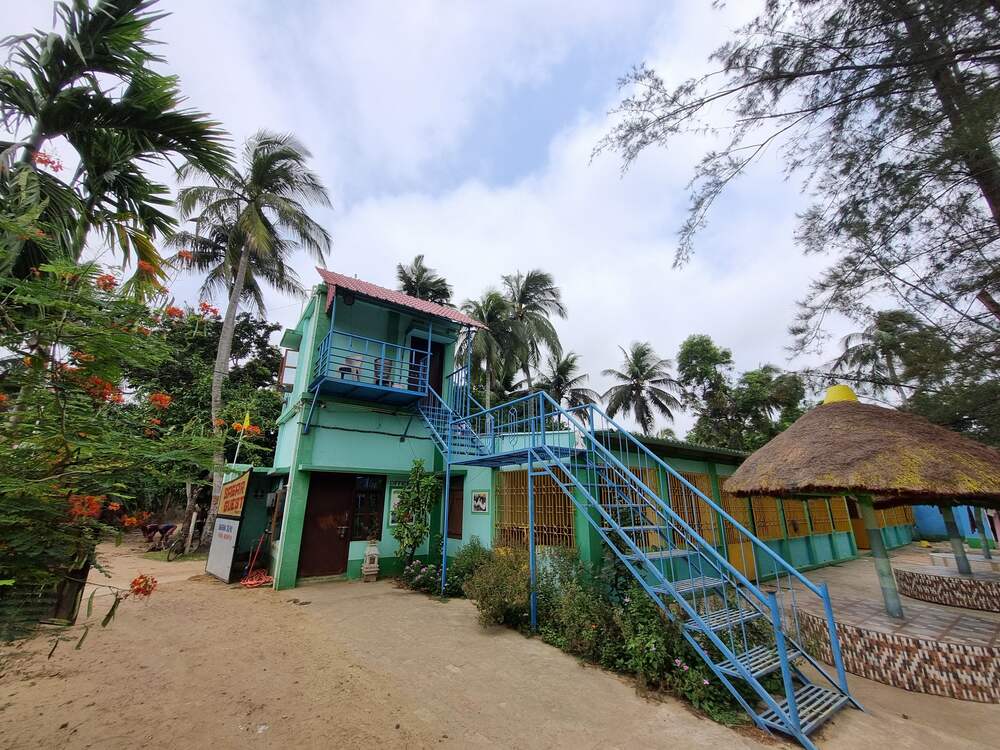
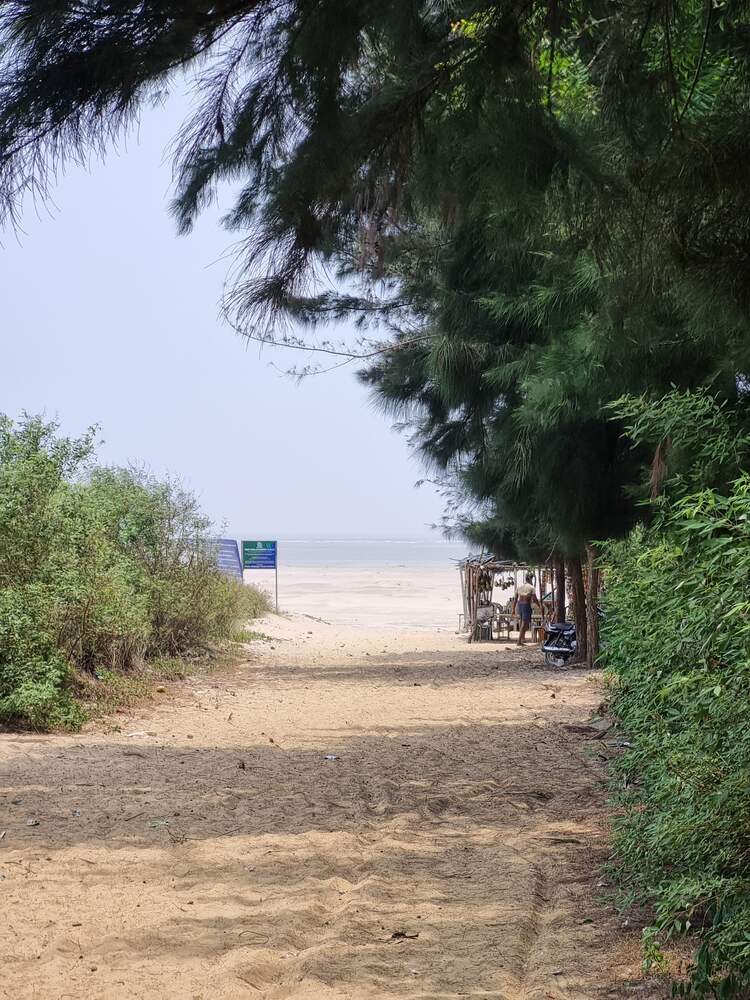
After freshening up, I took a 500-meter walk to the beach, and that’s when I truly understood the charm of Baguran Jalpai.
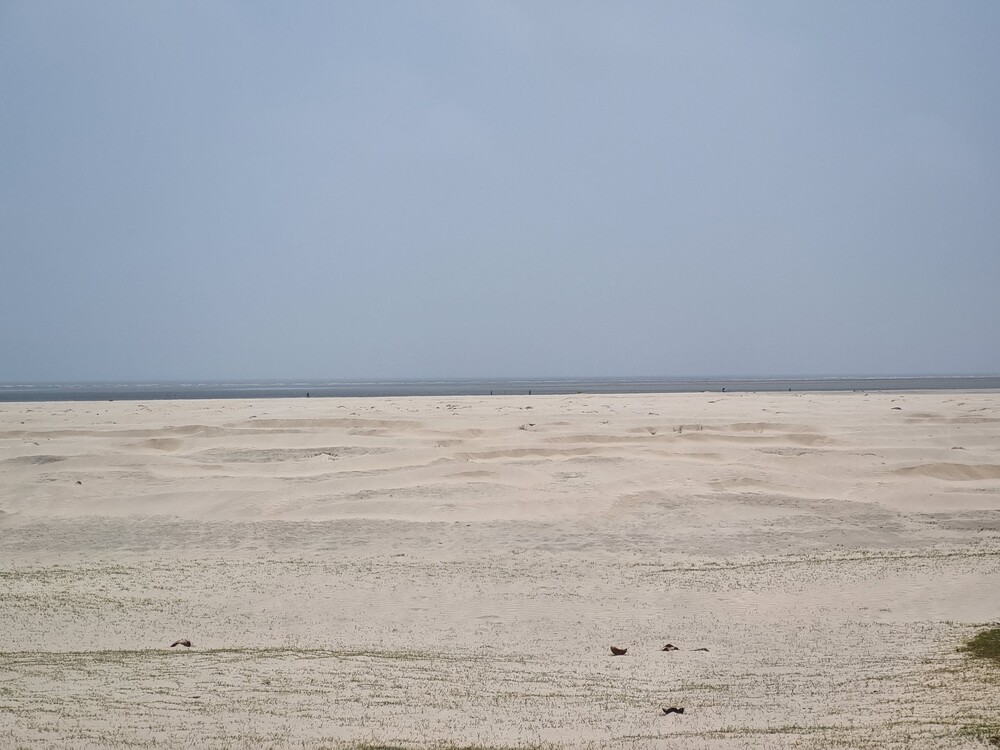
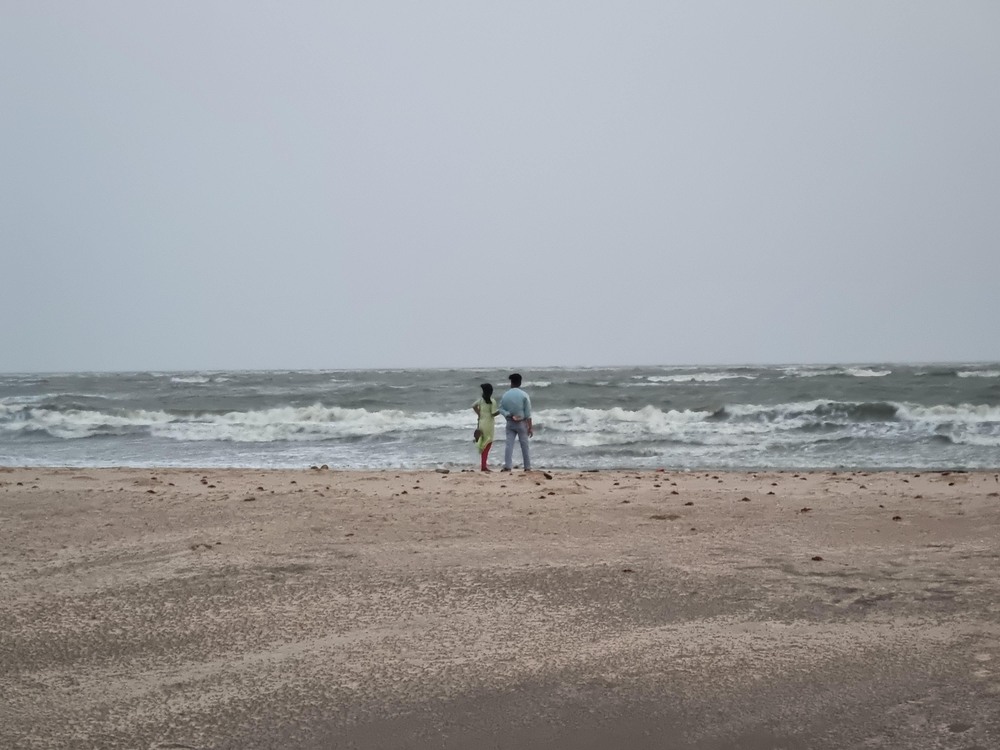
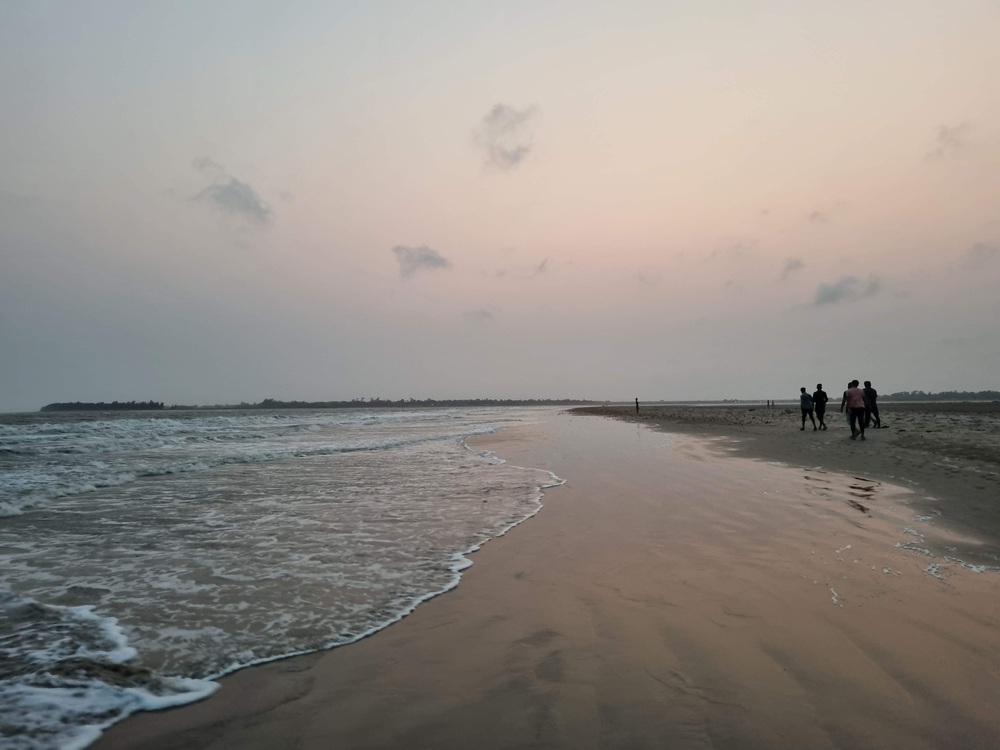
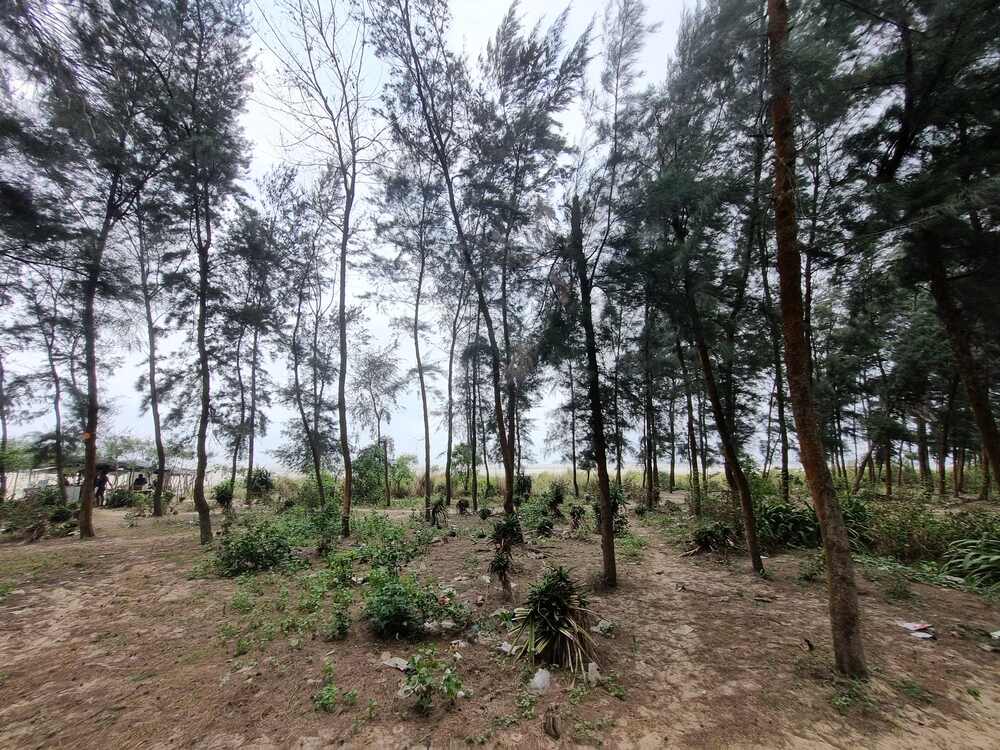
Imagine this: an entire stretch of beach with not a single human in sight, bordered by towering casuarina trees, and thousands of red crabs scurrying around freely. Unlike Digha or Mandarmani, where you have to fight for a patch of sand, here I was, the sole invader in the kingdom of crabs.
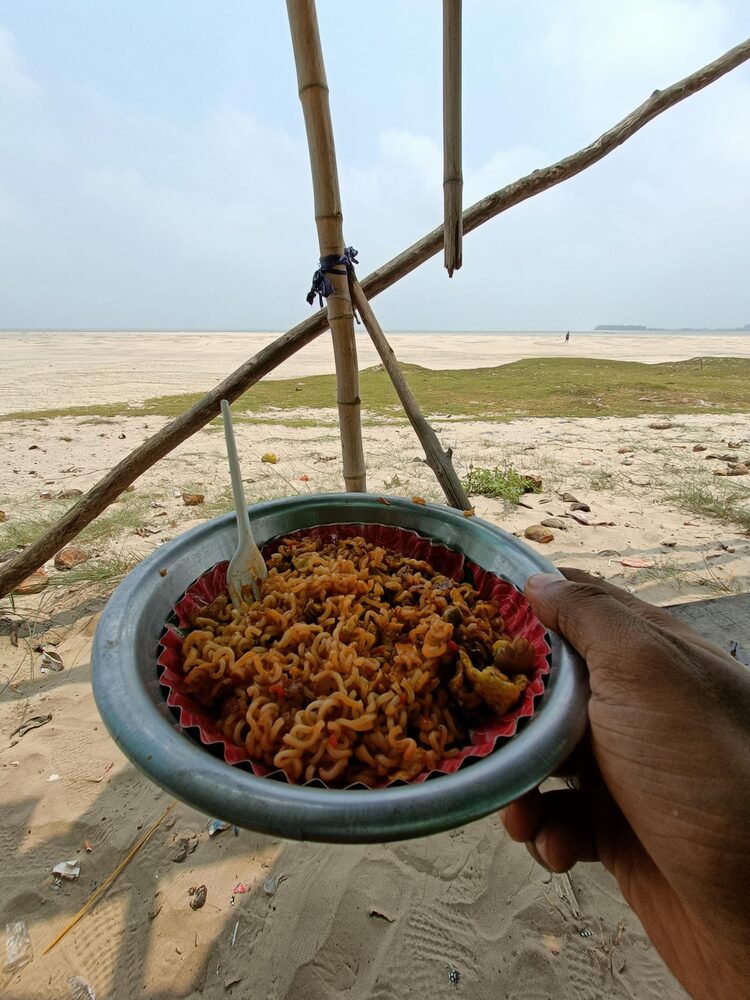
After a short stroll, I stumbled upon a couple of small tea shops selling tea, biscuits, egg omelets, and Maggi – standard beachside snacks. I ordered lemon tea and Maggi, picked a bench, and did something I love – working with a sea view. My laptop was out, the cool breeze was perfect, and for a moment, I felt like I had discovered the ultimate remote work destination.
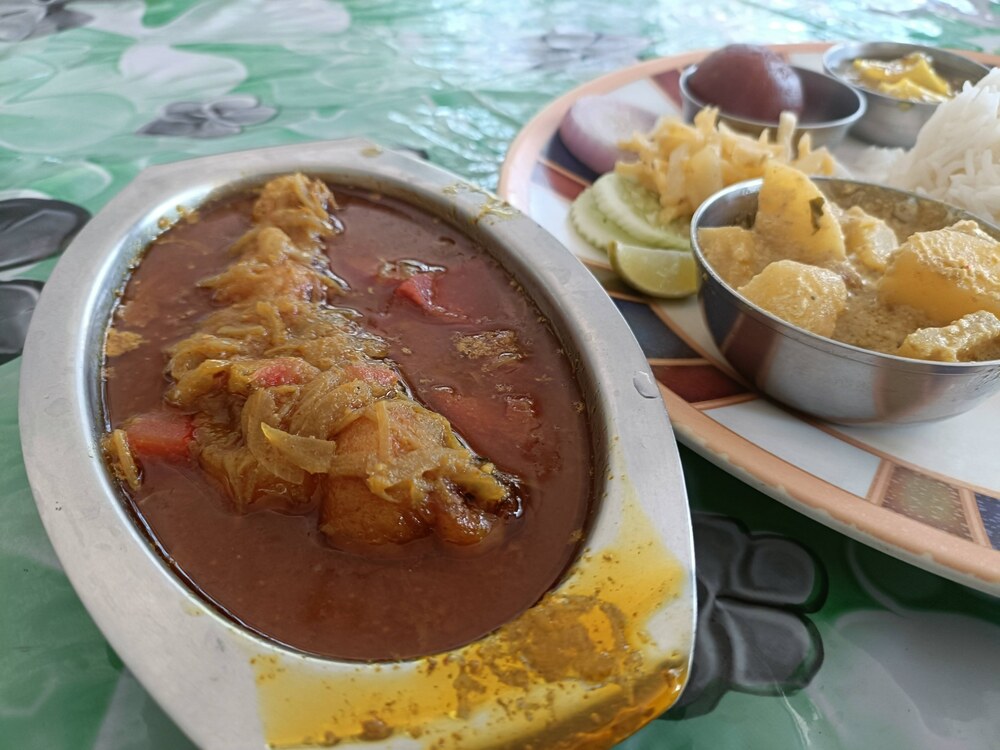
Back at the hotel, the staff asked me what fish I wanted for lunch. Without hesitation, I went for Pomfret, which was fresh from the hotel’s own fishery.
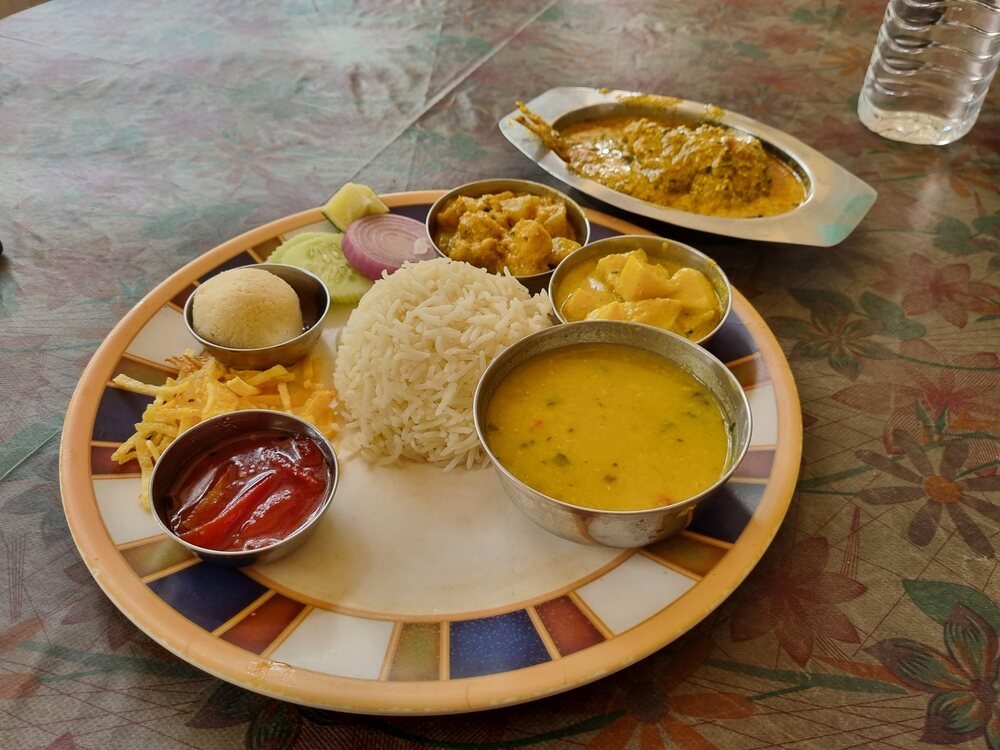
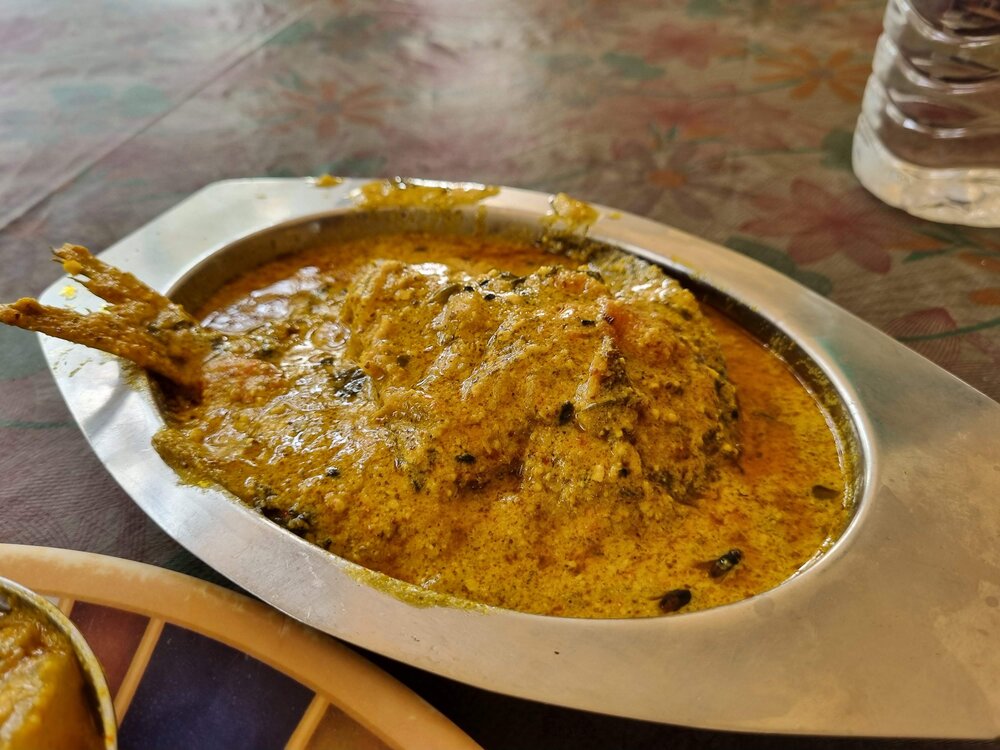
Post-lunch, I took a much-needed nap before heading back to the beach in the afternoon. This time, I wasn’t alone—since it was a weekend, a few locals had come over, making the grand total 39 people on the entire beach.
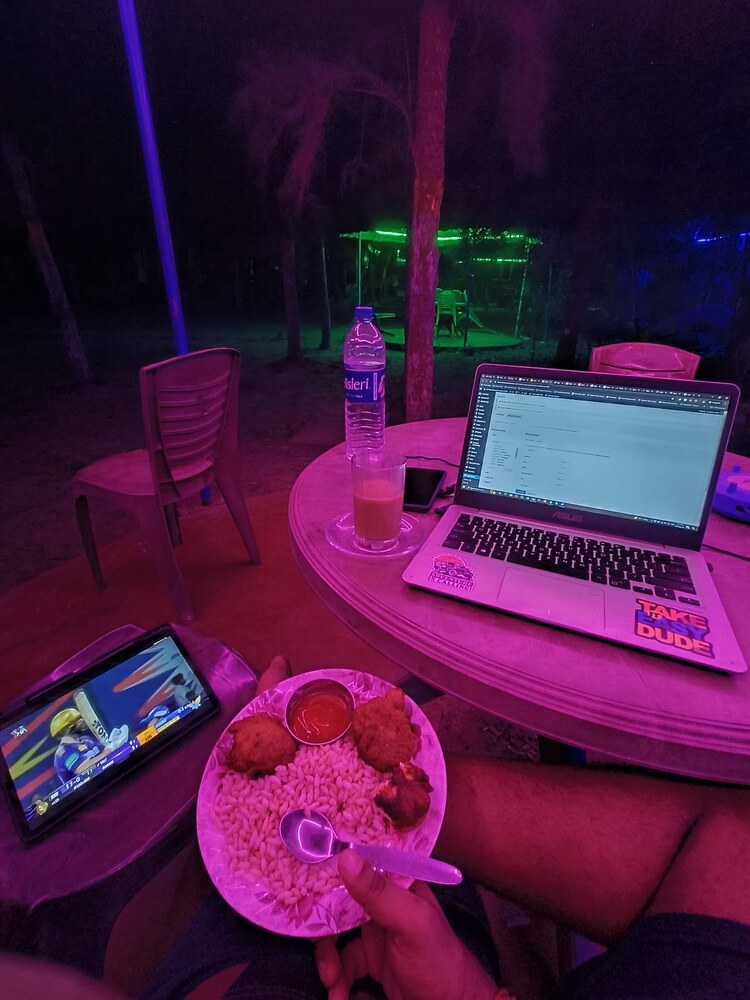
Evening was all about relaxation. I sat in one of the huts in the hotel’s garden, enjoying egg pakoras and muri makha, while watching KKR vs LSG IPL match. KKR won by 98 runs – and the evening breeze made the experience even better.
After snacks, I decided to take a final night stroll on the beach. It was a full moon night, and the silver reflection on the waves was breathtaking. I sat in the sand for a long time, watching the sea under the moonlight, completely alone yet at peace. Eventually, I realized it was late and walked back to the hotel.
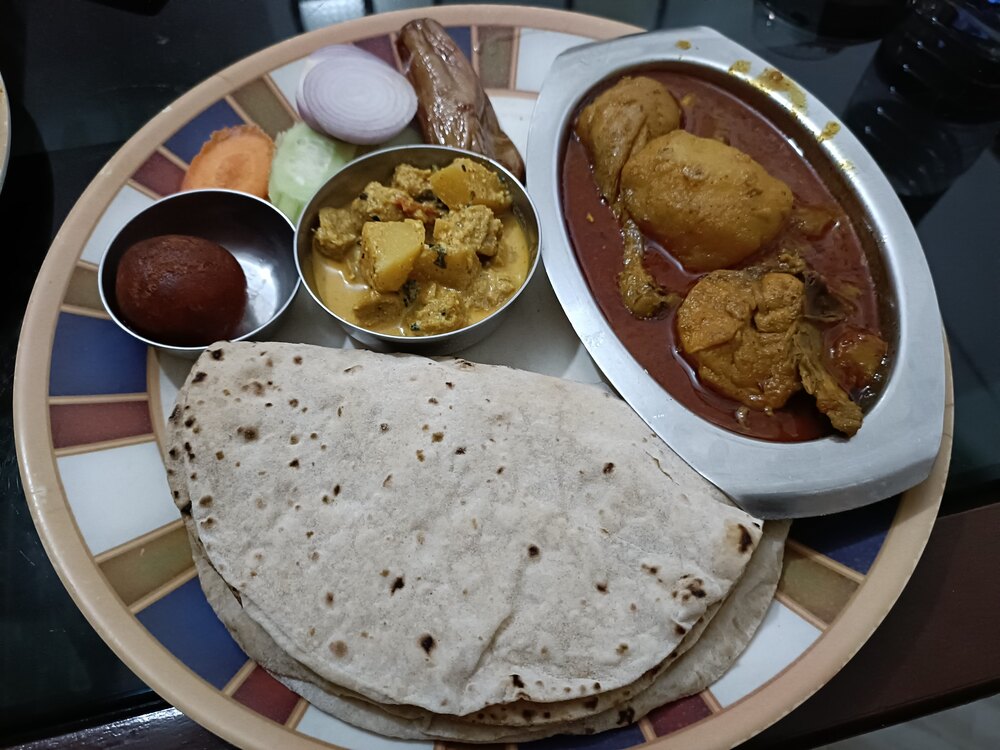
Dinner was simple yet delicious roti, soya bean curry, begun bhaja, chicken, salad, and a ledikeni. I spent some time on the balcony after dinner, soaking in the quiet night before calling it a day.
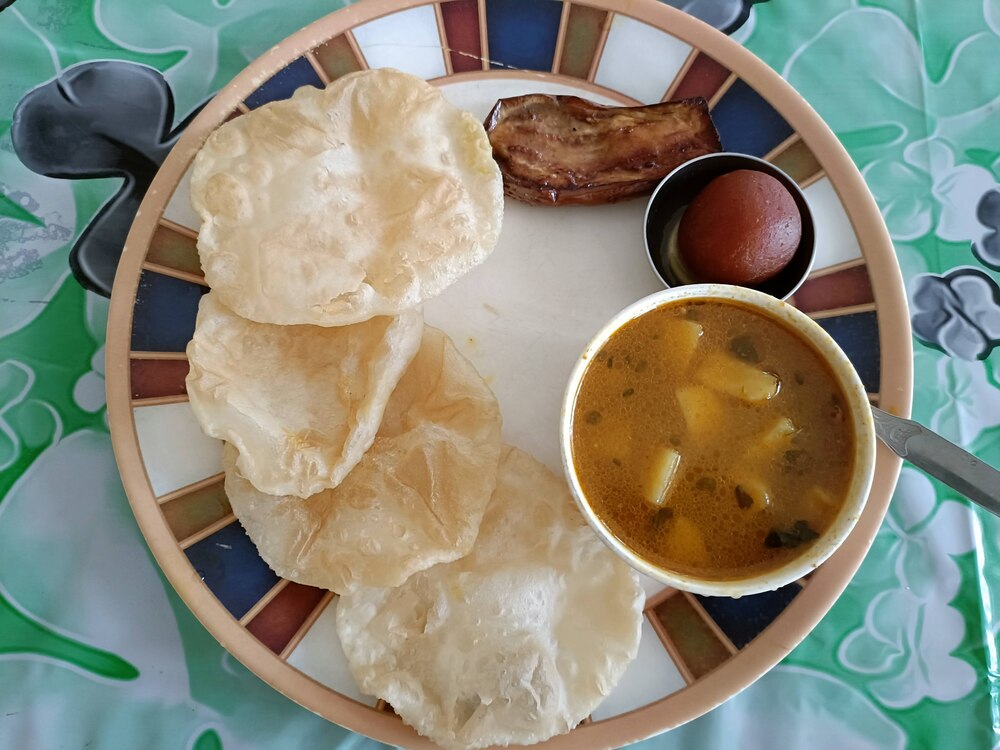
The next morning, breakfast was a Bengali classic – luchi, kalojire diye sada alur torkari, begun bhaja, and another ledikeni.
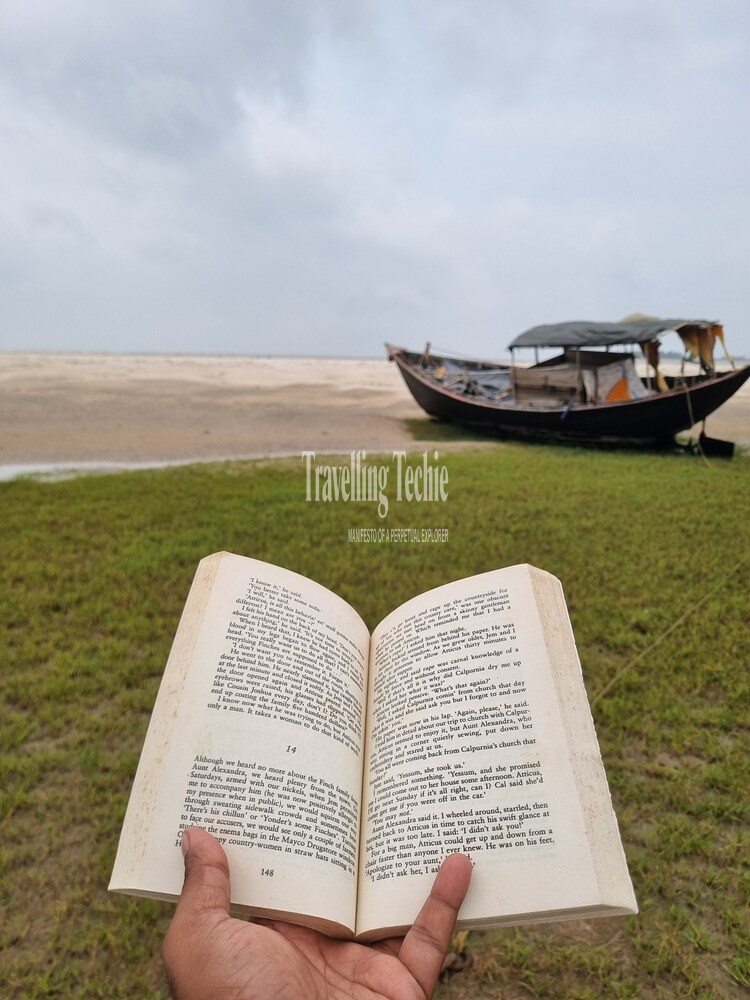
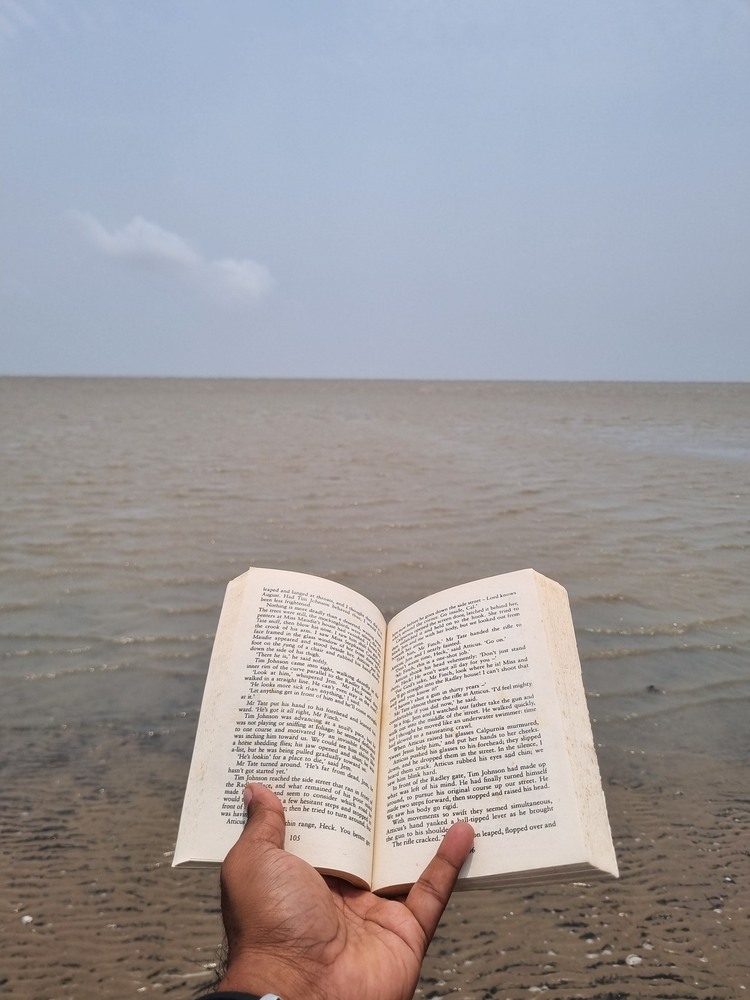
With time to spare before lunch, I took “To Kill a Mockingbird” and went to the beach again. After about half an hour of reading, I went for another leisurely stroll, accompanied by only three other people, an abandoned boat, and thousands of red crabs.
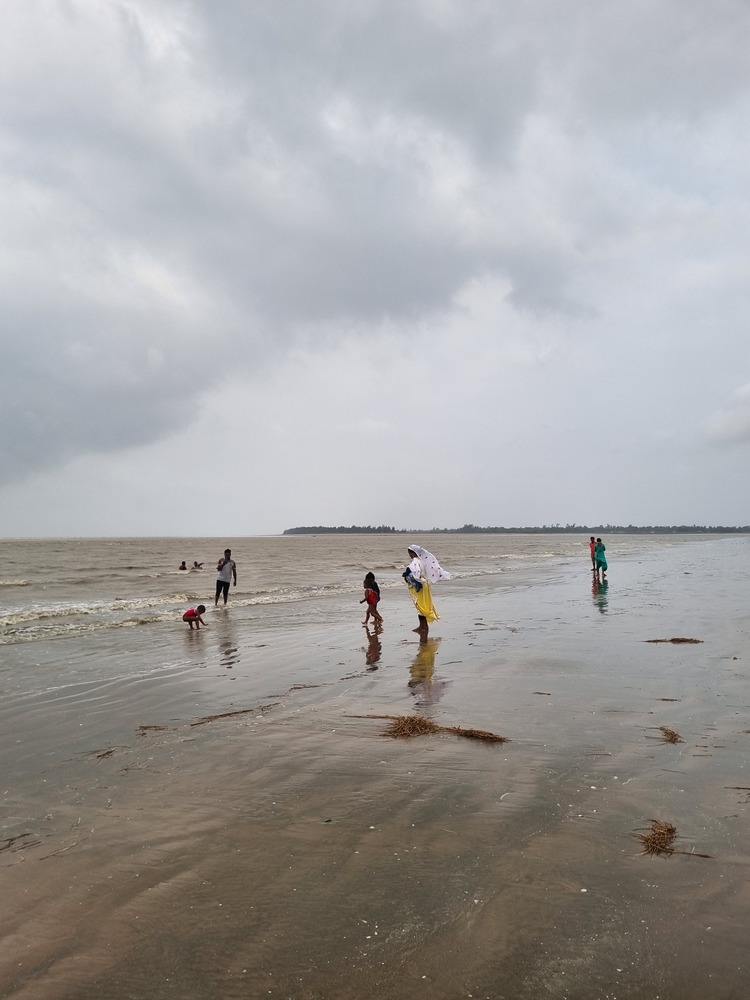
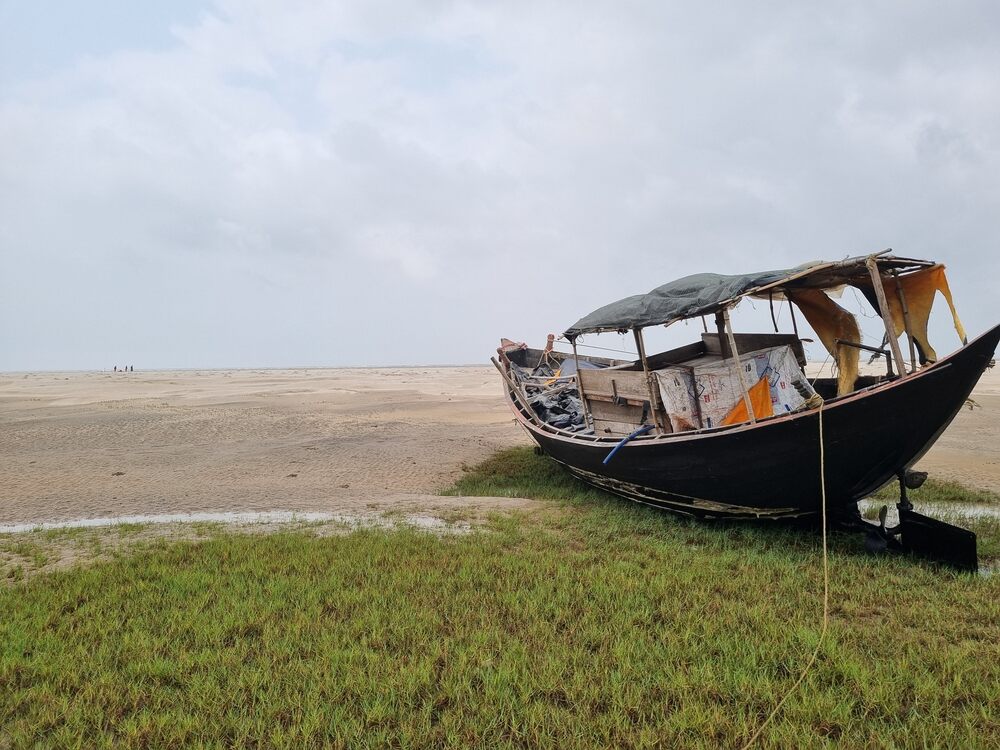
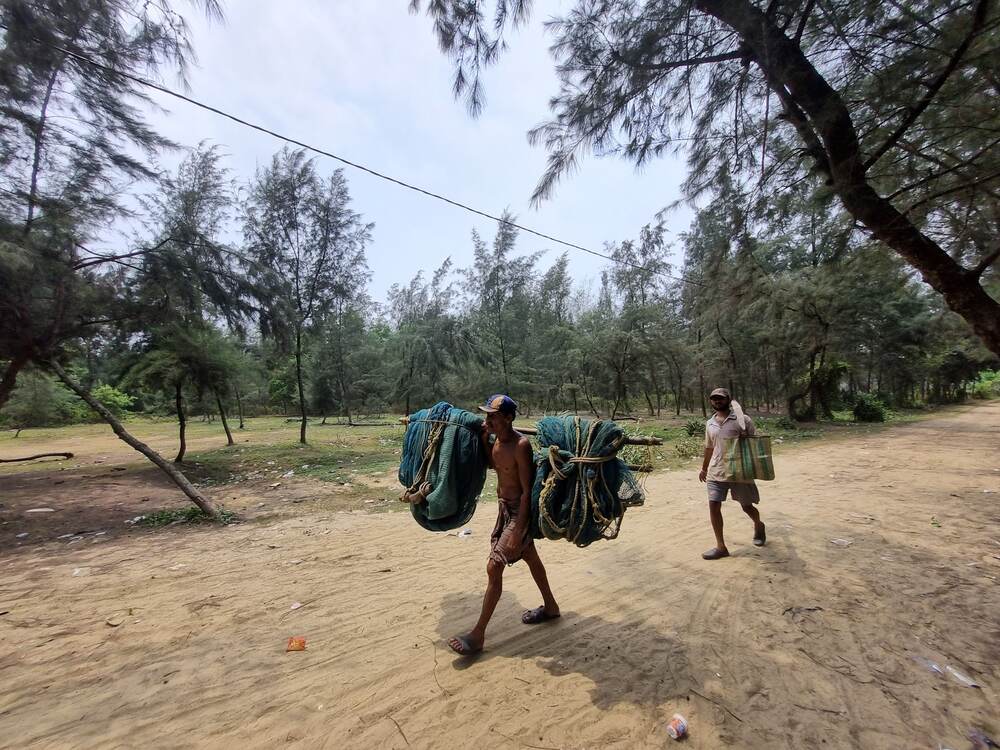
I clicked a ton of photos, played hide and seek with the crabs, and just absorbed the beauty of the empty beach.
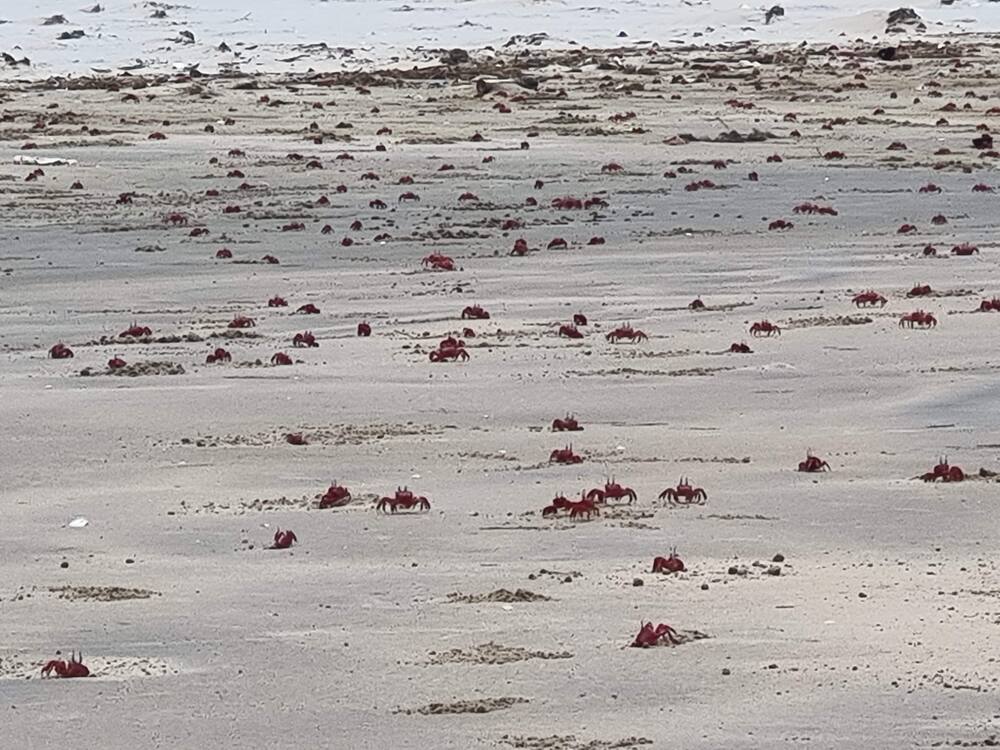
After lunch (which was almost the same as before, except with Rui Mach instead of Pomfret, I checked out at 4 PM. The Toto driver from the previous day was waiting, and I headed to Contai (Kanthi) Railway Station.
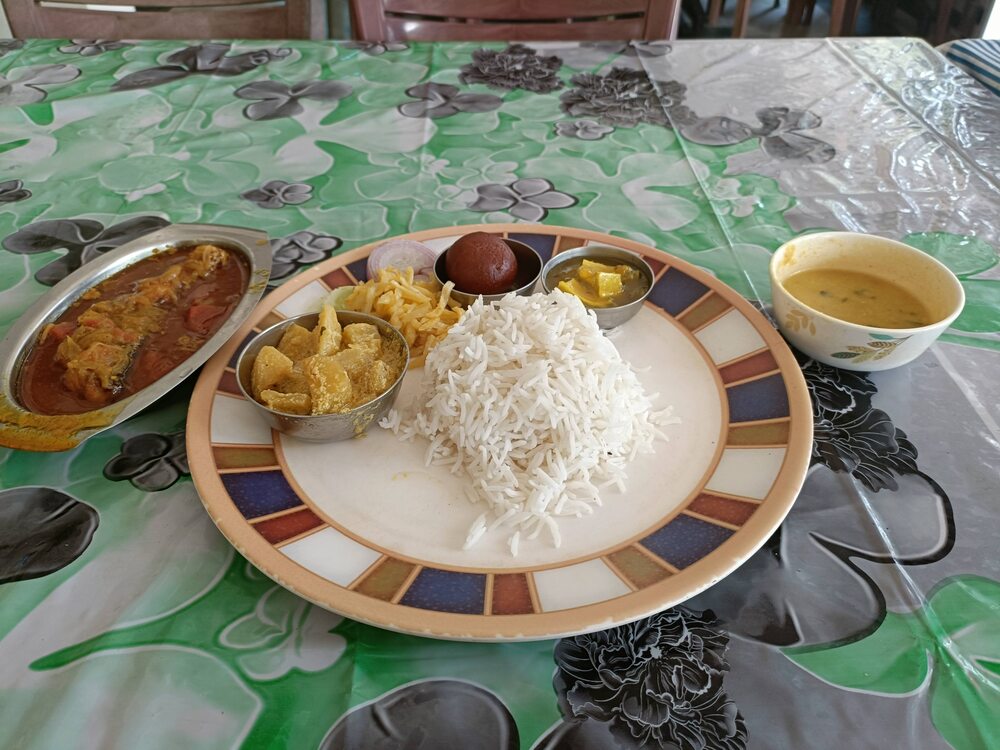
Here’s where things took an unexpected turn.
I had planned to return by train – a decision that proved to be disastrous.
At the station, I met a guy named Manoj, who casually dropped an information: my train had an average delay of 1.5 hours. I had no choice but to wait, and just as I was mentally preparing myself, a massive storm hit.
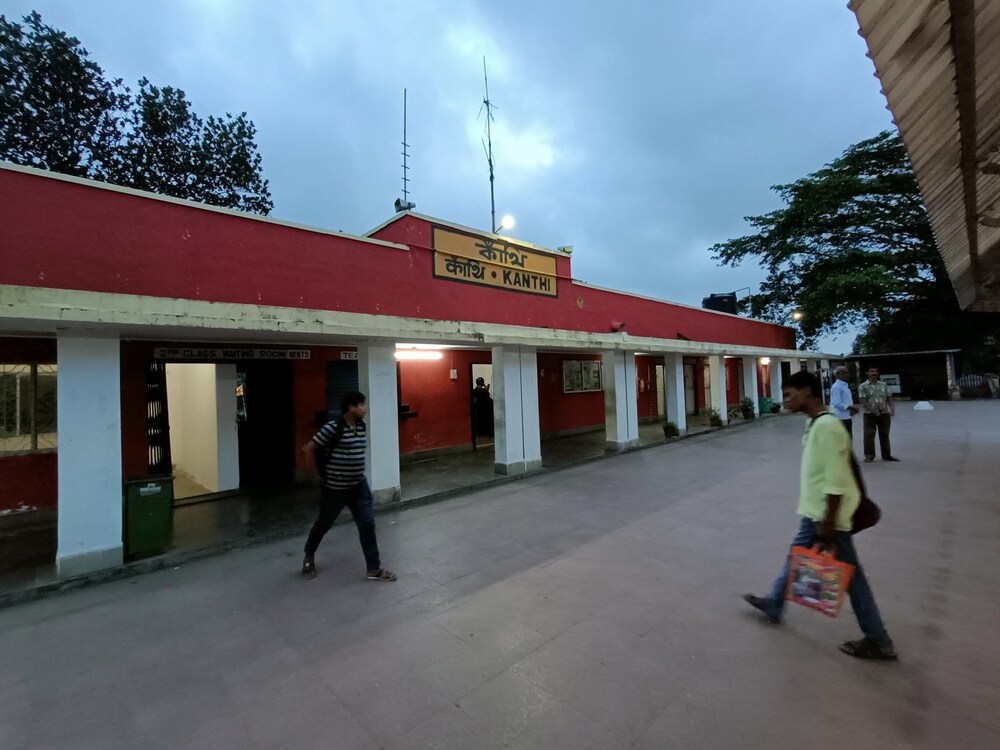
For the next two hours, I witnessed one of the most terrifying yet exhilarating storms of my life. Trees were uprooted, and roofs of nearby huts flew away, while I and Manoj watched, safe under a shade but in complete awe of nature’s fury. It was both beautiful and heartbreaking—an experience I won’t forget.
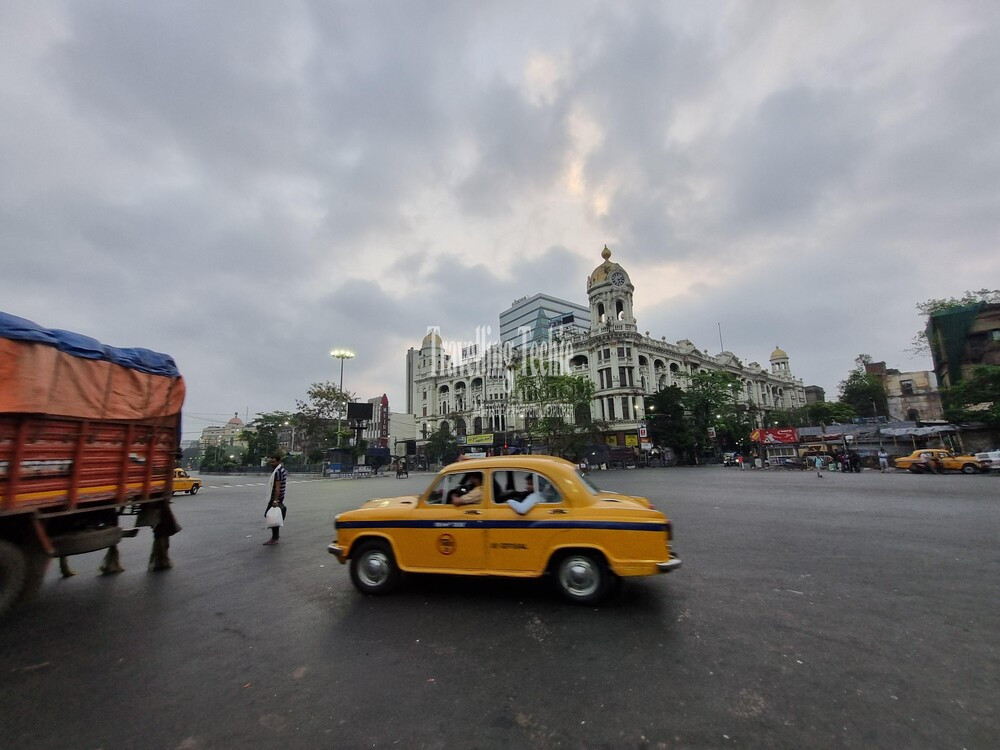
By 9 PM, the storm finally stopped, and my train (4 hours late) rolled in at 9:15 PM. I boarded, bid farewell to Manoj, and finally reached Howrah Station at 1:30 AM on May 7, 2024. With no transport options left, I took a yellow taxi home, reaching at 3 AM.
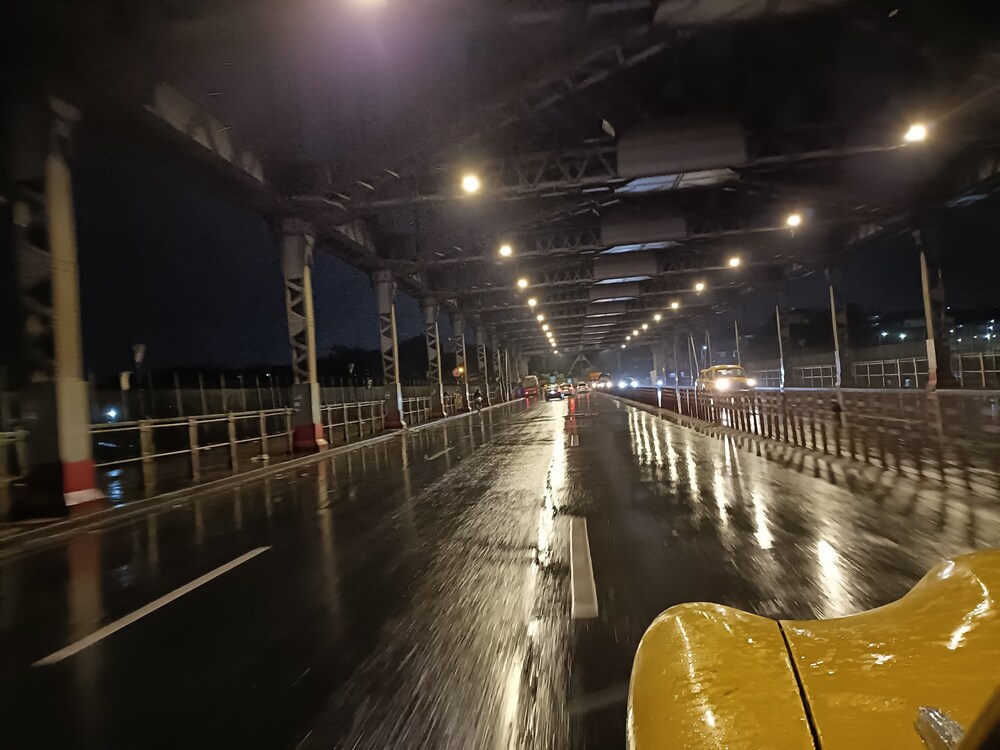
Despite the bumpy end, Baguran Jalpai left a lasting impression on me. The solitude, the pristine beach, the red crabs, the fresh seafood, and the quiet evenings made this trip truly special.
If you’re looking for a peaceful alternative to Digha or Mandarmani, where you can enjoy nature in its raw form, Baguran Jalpai is the place to be. Just avoid the train option unless you enjoy waiting through storms.